Decades later, Age of Empires 2 and Warcraft 3 are still growing with Vikings and Undead

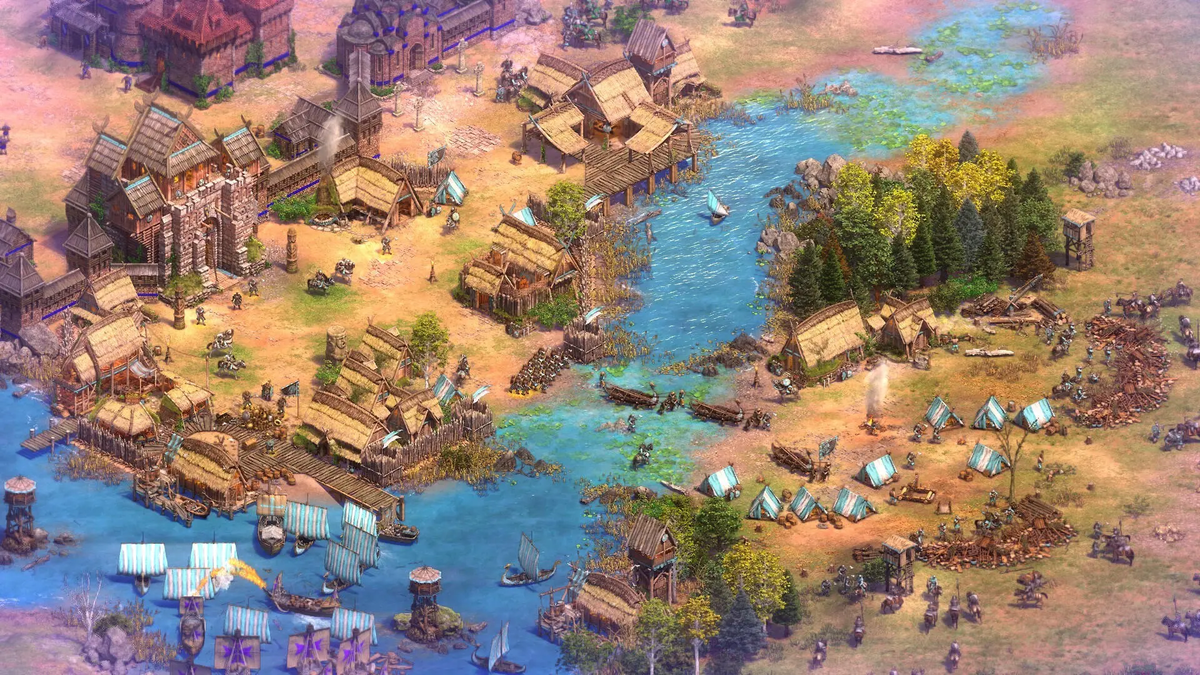
Hi there! Age of Empires 2 and Warcraft 3 are two of the most important and influential strategy games ever created, so it's pretty cool that over the past few days, I've been getting a double portion of real-time strategy (RTS) fun, playing new campaigns for both titles.
For Age of Empires, Xbox invited me to preview The Viking Sagas, a new DLC coming later in the month. For Warcraft 3, I was pleasantly surprised when Blizzard Entertainment announced the Forsaken Kingdom expansion during BlizzCon 2026...then launched it the same day.
Hi! Before continuing reading, please subscribe so that you never miss a new post from me. Right now it's free, but if you want to help me out, I accept donations over on Ko-Fi, and you can always follow me on Bluesky if you have a tip for a story or just want to talk.
From Norway to Constantinople
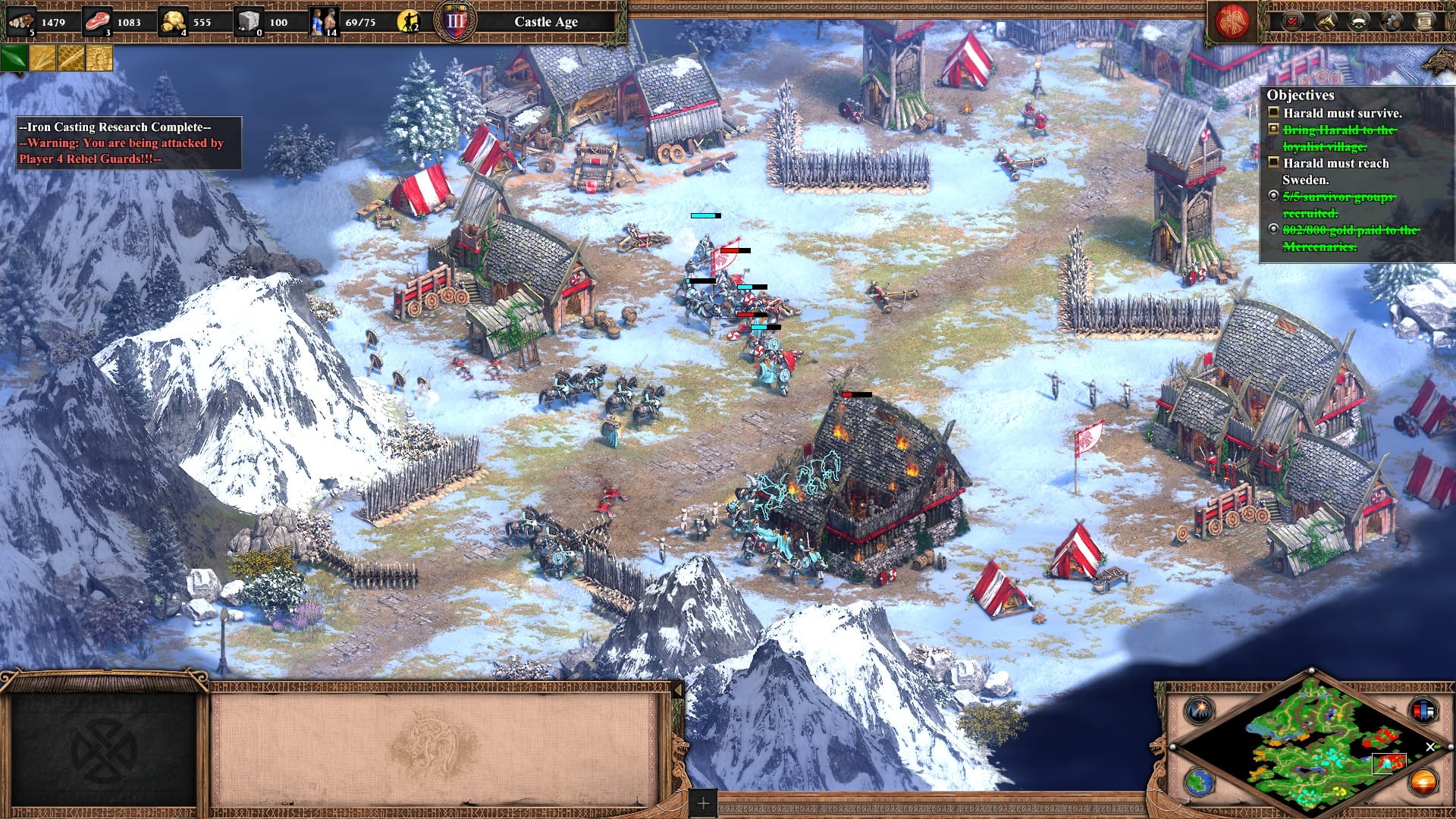
What is a Viking?
That's the central question at the heart of Harald Hardrada (sometimes Harald Sigurdsson), protagonist of The Viking Sagas DLC for Age of Empires 2.
While Vikings have been a playable faction since Age of Empires 2 was first shipped under Ensemble Studios, with DLC from Ensemble and later World's Edge tenure adding some specific Norse scenarios, the dreaded sails of the dark north have never quite received the focus they were due. Until now.
The Viking Sagas DLC adds three new civilizations to choose from with the Danes, Saxons, and Varangians, all of which share varying degrees of overlap with the regular Vikings, but each retaining their own unique flavor.
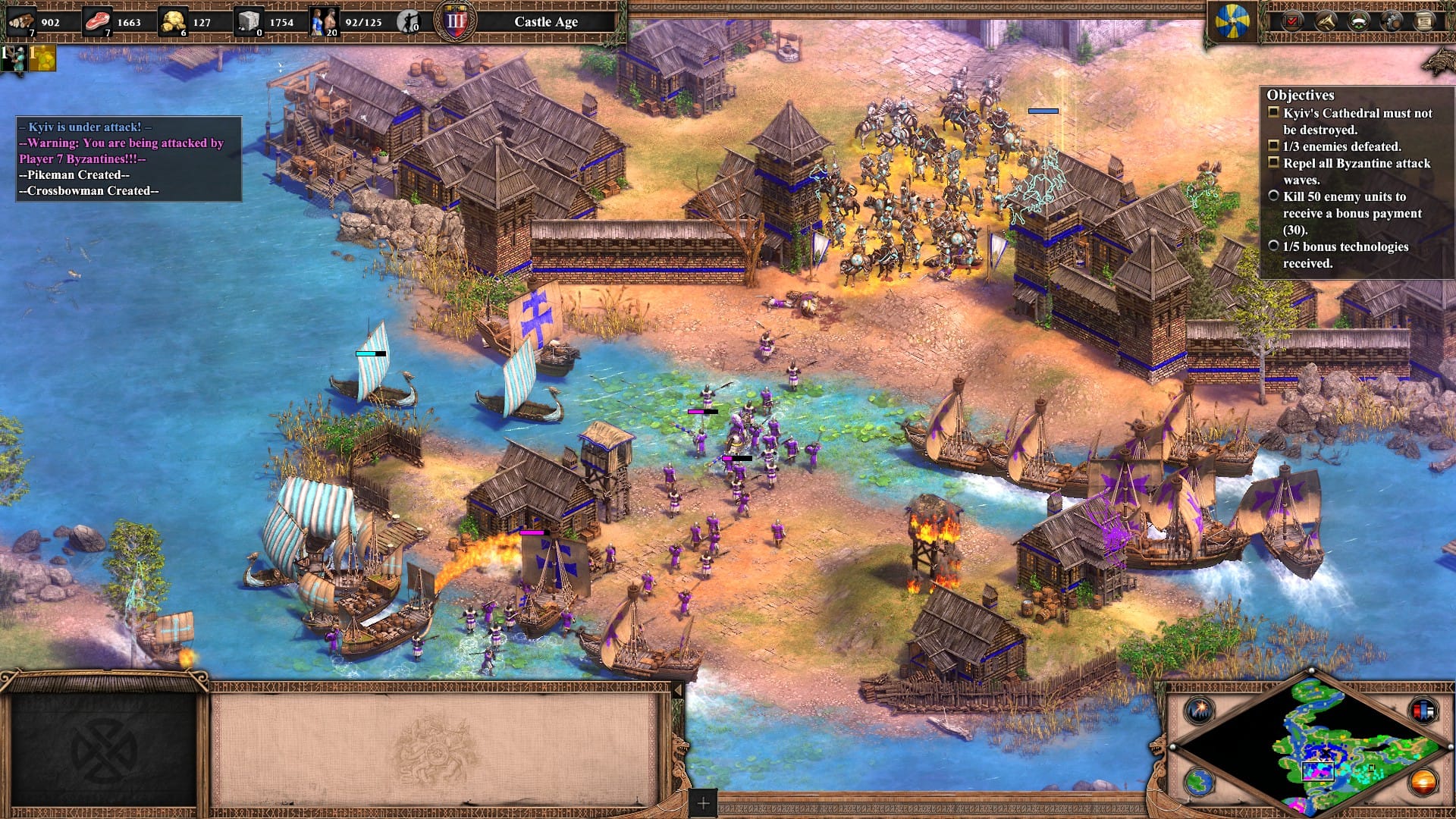
All four aforementioned groups also receive a handful of new troops, including what may be my new favorite unit in Age of Empires: the Varangian Guard. The Byzantine Emperors formed this elite unit of bodyguards, heavily recruiting from Norse and Saxon warriors who traveled in search of riches.
As outsiders from a harsh climate, they were strong fighters, but shared no pre-existing loyalty to varying political factions, instead focused solely on the ruler who paid them. In Age of Empires 2, the Varangian Guard is a capable infantry unit, hacking apart cavalry and buildings with ease all while generating gold as they fight.
Harald's story begins after fleeing from a failed battle in which his brother, King Olaf, was killed. Harald's full tale is spread across three campaigns and 15 missions, but for the first three missions I was able to play for this preview, Harald's story sees him travel from Norway to Kyiv, and then all the way to Constantinople, joining the Varangian Guard, rising to lead them, and crushing the enemies of Emperor Michael IV and Empress Zoe.
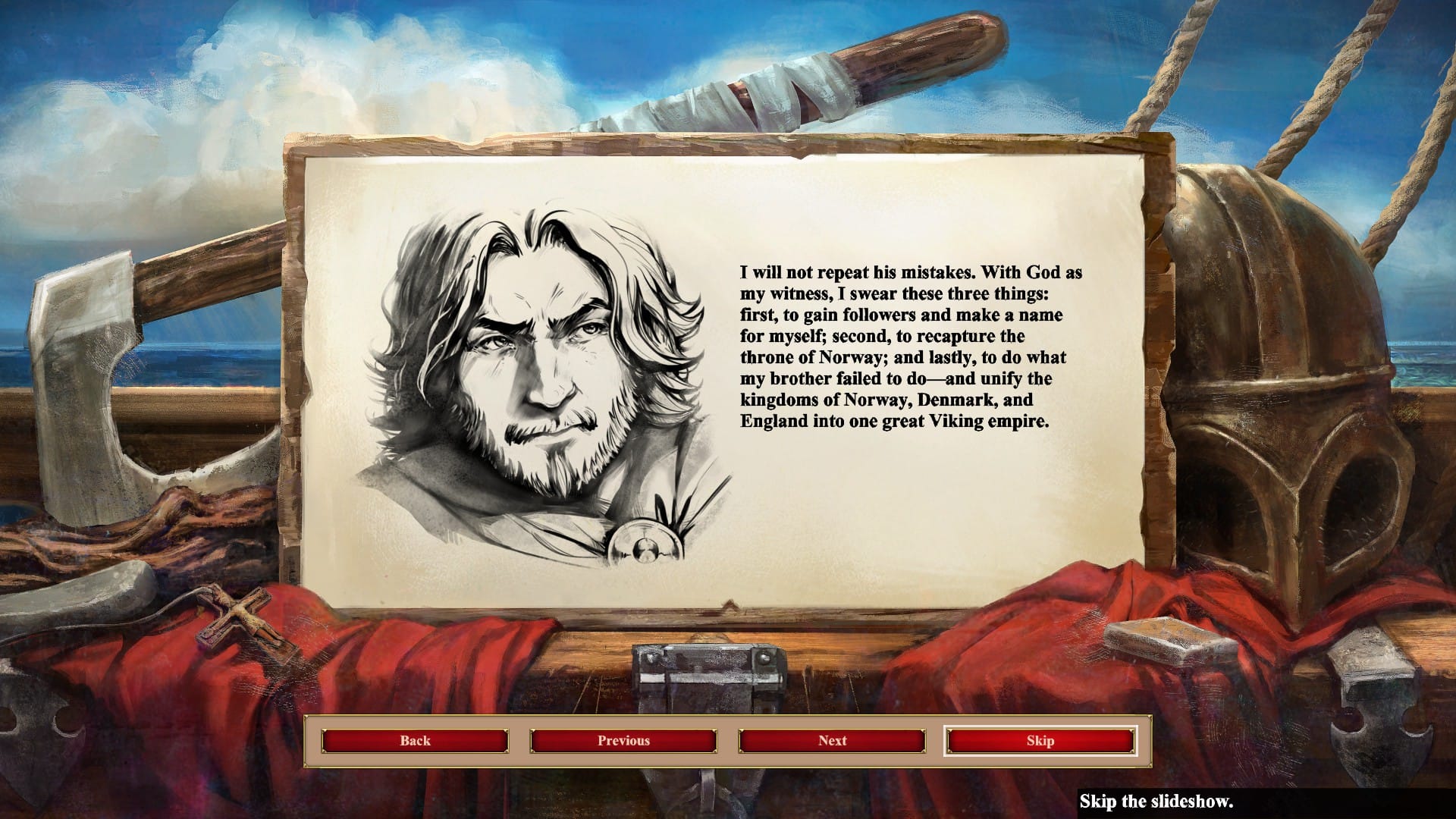
There's elements of role-playing choices in these campaigns, as careful exploration provides treasures that can benefit Harald and his army, with different bonuses to choose from that affect future missions as well.
There are also other choices to make, some large and some small, but it adds another layer beyond merely optimizing my strategy for defending a town or taking down an enemy fortress. It also adds fun reasons to replay these campaigns outside of just trying out a higher difficulty.
Harald is a fascinating figure in history, with a life that reads like an exaggerated saga of some fictional hero, except his travels and accomplishments are well-documented for the era. He sought to build a Viking empire, encompassing the north's newer, Christianized tenets alongside the Norse polytheists that still followed Odin and Thor alike. Other kings and claimants followed, but The Last Viking earned his title for a reason.
As the Icelandic knight and historian Snorri Sturluson wrote in Heimskringla — a collected history of the kings of Norway — Harald was an unstoppable force on the battlefield until his last fateful moments.
Little sheltered him, nor shook in
the shattering-of-shields the
heart—no whit then gave he
heed—of fearless sea-king,
when the host saw all saw it,
how the embattled war-lord's
bloody sword in swaths did
slash the ranks of foemen.
Sturluson (c. 1230/1964)
I'll have to see how the rest of the campaign shapes up, but so far, World's Edge and Forgotten Empires are doing justice to this oft-overlooked saga and essential figure of Viking history. Age of Empires still going so strong after all this time is a point of personal happiness, and I'd love to see future DLC in this vein.
I'll likely have more thoughts to share later in the month, but based on what I was able to play for this preview, I recommend grabbing this DLC when it arrives and seeing how The Last Viking's story is told.
Back to Lordaeron
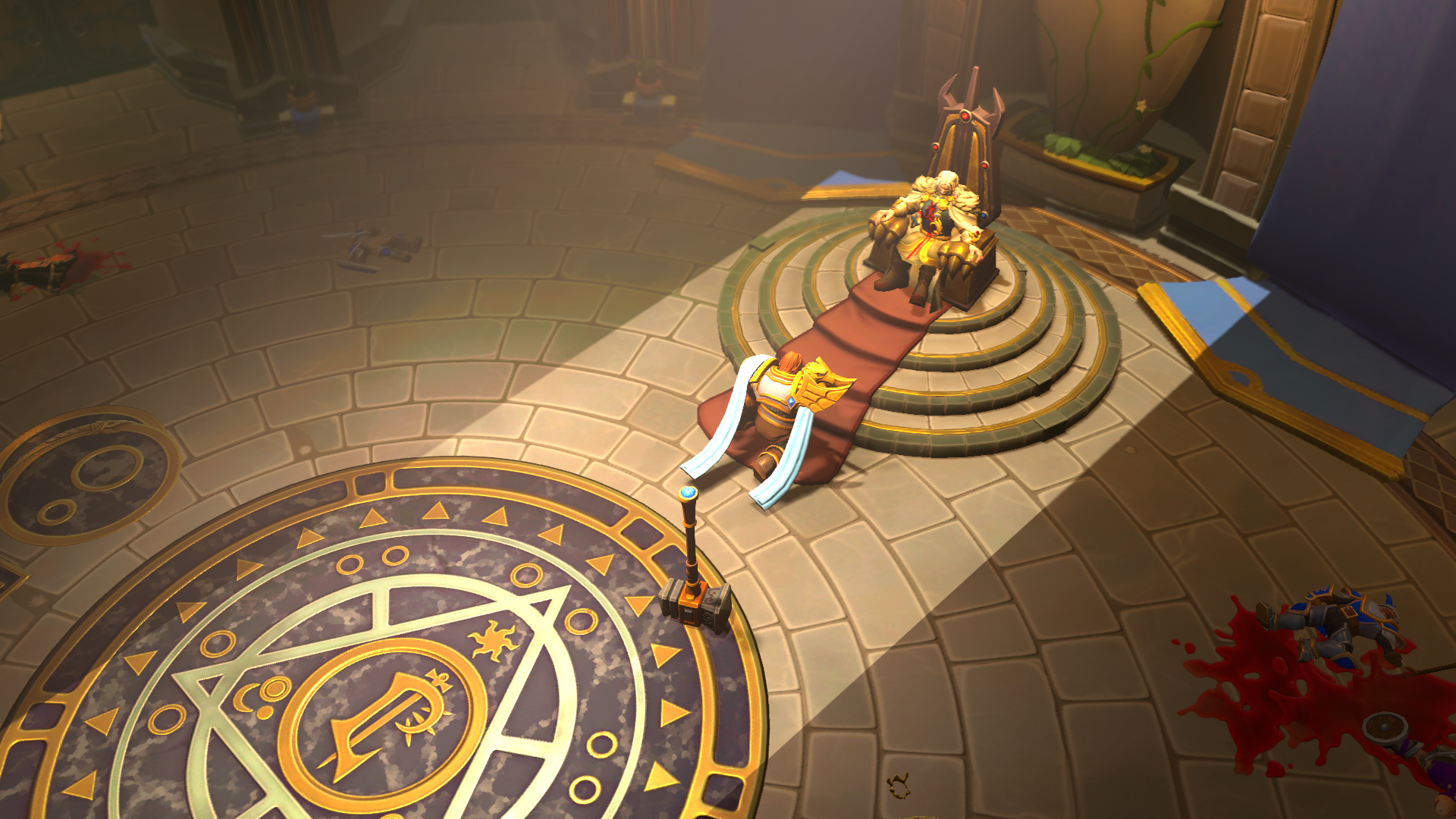
Stepping away from the legends of real-world history and into the fantasy realm of Azeroth, Forsaken Kingdoms is a real surprise. Notably, it's the first full new expansion for a Blizzard RTS since StarCraft 2's final co-op DLC in November 2016.
The story opens concurrent to the conclusion of Warcraft 3's human campaign, where Prince Arthas returns home and reveals his treachery. This prologue campaign is composed of a handful of missions, which is followed by a wider story telling the rise of the titular Forsaken undead.
I haven't finished it yet, but I've enjoyed the missions I've played so far. Forsaken Kingdom eschews base-building in favor of a deeper focus on the hero characters, so it's actually been a fair bit challenging.
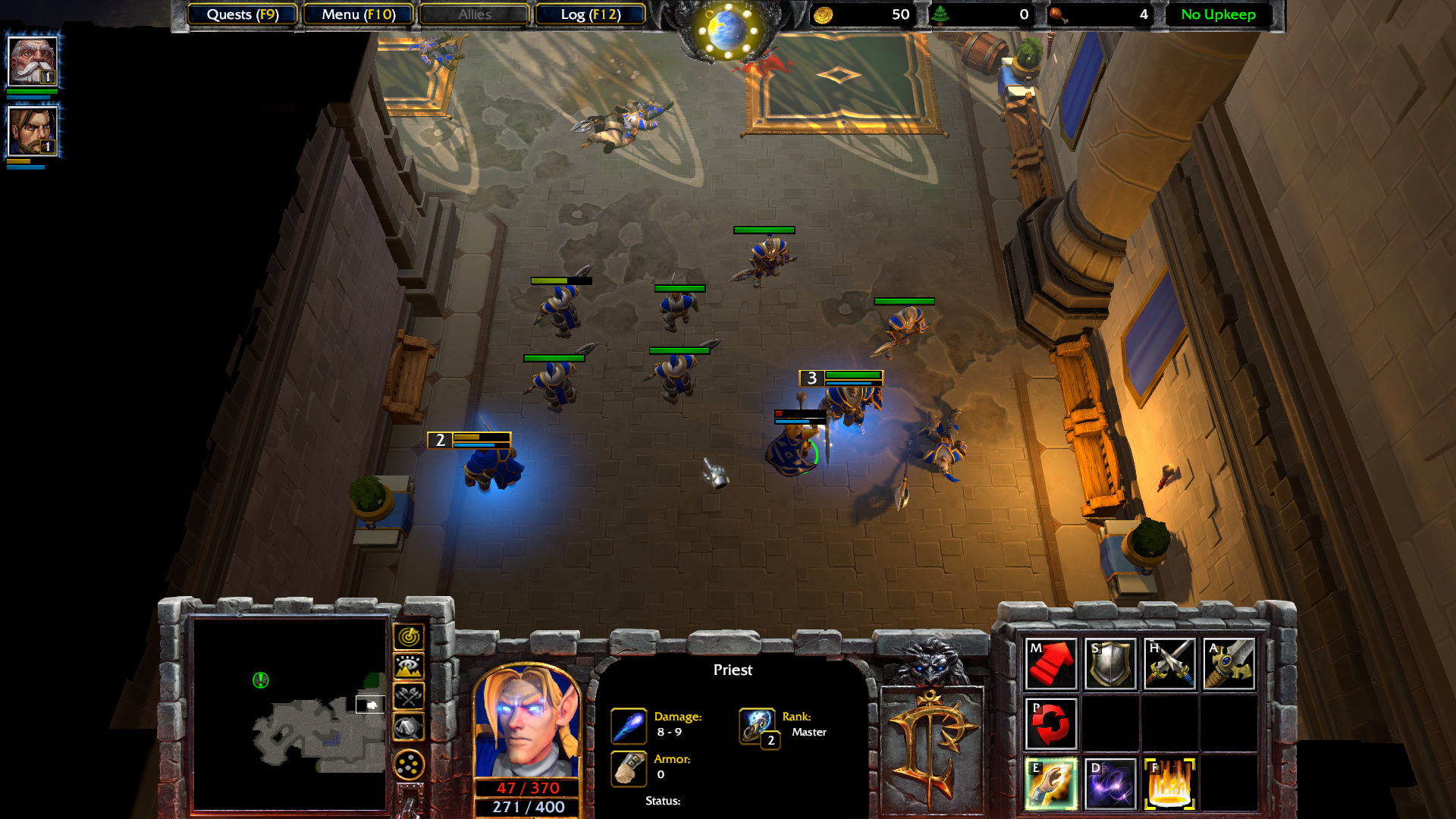
As a tip, if you're rusty at Warcraft 3 like I am, don't immediately hop in on hard mode, as some of the boss fights require precise micromanaging to avoid being quickly stomped, even on normal difficulty.
Overall I'm looking forward to seeing how the rest of the story unfolds, and perhaps even moreso, I'm excited for what this means. I'm glad Blizzard is dabbling in new RTS DLC again. Even if the studio's next big games won't bring me a fully new RTS, I have more hope now than I have years.
Warcraft 3: Forsaken Kingdoms is available right now, while Age of Empires 2: The Viking Sagas is set to launch on Sept. 22, 2026.
Notes
Sturluson, S. (1964). Heimskringla: History of the Kings of Norway (L. M. Hollander, Ed. & Trans.). University of Texas Press. (Original work published c. 1230)